Consumer Preferences, and the Business of Adapting Products
Jun 30,2025 | SONSONTRADE
In the journey of parenting, there are often little anecdotes that can spark interesting business - related reflections. Let me share one such story.
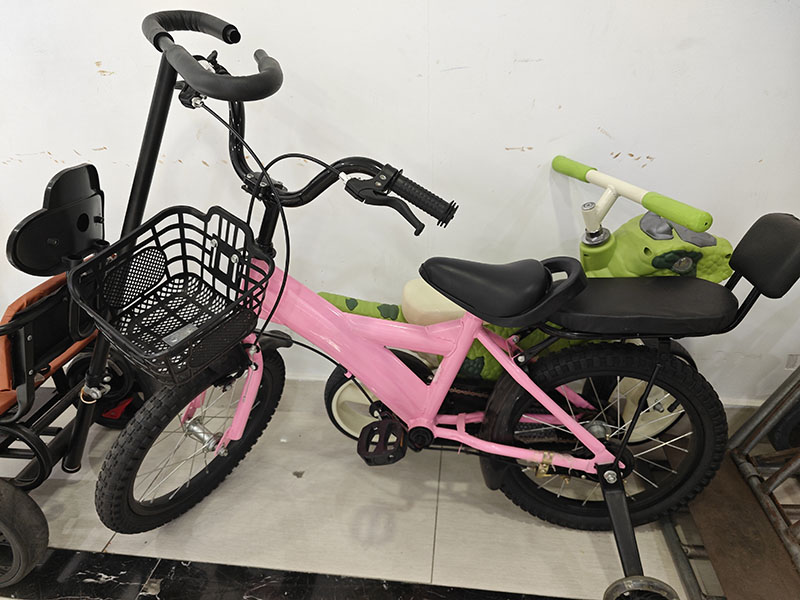
When my child was 4 years old, he was absolutely fascinated by the character Dizzy from the animated series "Super Wings". He wanted a "Super Wings" - themed bicycle. So, I embarked on an online search for such a bike. However, the options were scarce. The few "Super Wings" - branded bicycles I found were either lacking in terms of design aesthetics or quality, and their cost - effectiveness was quite low.
On the other hand, there were other bicycle models that offered better cost - effectiveness, but they didn't have the "Super Wings" prints. Then, I noticed that one of these bikes had patterns that seemed to be stickers rather than printing designs. A light - bulb moment occurred! I decided to buy this bike, remove the existing stickers, and replace them with "Super Wings" stickers that I would purchase separately. And just like that, a customized "Super Wings" bicycle was born – the very one you see in the picture. My son loved it.
Recently, as the child has grown older, his preferences have changed. He no longer has an affinity for those "Super Wings" patterns and has peeled them off himself.
This little episode from two years ago got me thinking about several business aspects.
Firstly, consumer customization demand is a powerful force. Consumers, especially in the context of products for children, often have very specific preferences based on their favorite characters, themes, or styles. Businesses can tap into this by offering more flexible customization options. Instead of only providing pre - designed, themed products that may have limitations in quality or variety, they could offer base products that are easy to customize. For example, bicycles with removable and replaceable sticker kits related to popular animations, cartoons, or hobbies. This way, consumers can personalize the products according to their needs, and businesses can cater to a wider range of preferences without having to invest heavily in a multitude of pre - themed product lines.
Secondly,cost - effectiveness and quality balance is a key consideration for consumers. The original "Super Wings" bikes didn't meet my standards in terms of quality and price, so I sought an alternative. Businesses should strive to find the right balance between branding (through themes like "Super Wings") and the actual product quality and cost. If they can offer themed products that are both high - quality and reasonably priced, they are more likely to attract consumers. Otherwise, consumers will find workarounds, as I did, to get the desired themed product with better overall value.
By understanding consumer customization needs, the transient nature of preferences, and the significance of quality - cost balance, businesses can better adapt their strategies to meet consumer demands and stay competitive in the market.
Comment